
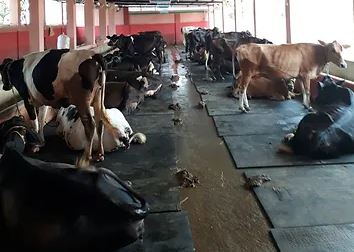
Here’s a clear step-by-step process for making cow mats (rubber mats used in dairy farms for cattle comfort and hygiene). These mats are typically made from natural or synthetic rubber blends, designed to be durable, non-slip, and easy to clean.
🛠 Materials Needed
- Natural rubber or synthetic rubber (SBR, EPDM, or recycled rubber)
- Fillers (carbon black, silica, clay, Calcium Carbonate)
- Plasticizers (to improve flexibility, like Zinc Oxide, Zinc Stearate)
- Vulcanizing agents (sulfur, accelerators, DCP, BIPB)
- Pigments (optional, for color)
- Blowing Agent [ ADC, AC. DNPT]
- Moulds (steel moulds with cow mat design)
- Hydraulic press or compression moulding machine
- Mould release agent as Silicon Emulsion.
A Cow Mat Making Formula:01
| SL No | Chemicals | Quantity-Kg |
| 1 | Natural Rubber | 15 |
| 2 | Calcium Carbonate | 5 |
| 3 | China Clay | 12 |
| 4 | EVA Recycle | 60 |
| 5 | Zinc Oxide | 0.500 |
| 6 | Stearic Acid | 0.800 |
| 7 | Carbon Black | 2 |
| 8 | Waste Oil/Naphthnic | 3 |
| 9 | Blowing Agent | 2.200 |
| 10 | DCP | 0.320 |
| Total | 100.820 |
There are lots Formula.
Cow Mat Making Formula:02
| SL No | Chemicals | Quantity-Kg |
| 1 | EVA | 12 |
| 2 | Calcium Carbonate | 10 |
| 3 | China Clay | 10 |
| 4 | EVA Recycle | 55 |
| 5 | Zinc Oxide | 0.800 |
| 6 | Stearic Acid | 1.000 |
| 7 | Carbon Black | 2 |
| 8 | Waste Oil/Naphthnic | 3 |
| 9 | Blowing Agent | 2.150 |
| 10 | DCP | 0.300 |
| Total | 96.250 | |
EVA Recycle is most important:
Below is recycle video:
⚙️ Step-by-Step Manufacturing Process
1. Raw Material Preparation
- Collect rubber (natural or synthetic).
- Grind recycled rubber sheets or crumb rubber if using waste material.
- Weigh and prepare fillers, plasticizers, and curing agents.
2. Mixing
- Mix rubber with fillers, plasticizers, and curing agents in a Banbury mixer or open mill.
- Ensure uniform blending for strength and elasticity.
- The compound should be homogeneous and free of lumps.
3. Sheet Formation
- Pass the mixed compound through a two-roll mill to form sheets.
- Cut sheets into required sizes for moulding.
4. Mould Preparation
- Clean and preheat steel moulds.
- Apply mould release agent to prevent sticking.
5. Moulding & Vulcanization
- Place rubber sheets into mould cavities.
- Use a hydraulic press for compression moulding.
- Apply heat (around 140–160°C) and pressure for 10–20 minutes.
- Vulcanization cross-links the rubber, giving durability and elasticity.
6. Cooling & Demoulding
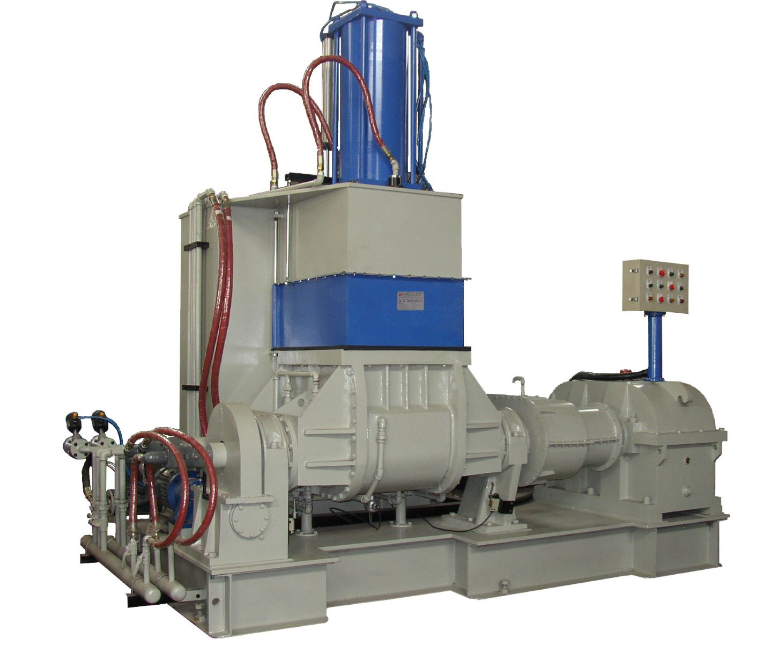
6. Cooling & Demoulding
- Remove moulds from press and allow them to cool.
- Demould the cow mats carefully.
7. Finishing
- Trim excess edges.
- Inspect for defects (air bubbles, cracks).
- Wash and polish if needed.
8. Quality Testing
- Check hardness, tensile strength, and anti-slip properties.
- Ensure mats are flexible yet strong.
9. Packaging
- Stack mats flat.
- Pack in bundles for shipment.
✅ Key Features of Good Cow Mats
- Non-slip surface for cattle safety
- Soft yet durable for comfort
- Easy to clean and resistant to chemicals
- Long lifespan (5–10 years depending on use)
Leave a Reply